
FRENCH LANGUAGE GUIDE


French Language Resources
Because French is the fourth most spoken language in the European Union it is a good idea for business professionals, students and tourists to have a grasp of the language. Visiting France and nearby countries with knowledge of the language is advantageous. Using French language resources will encourage learners to experience immersion in real-life French culture.
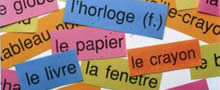
Vocabulary
Building a strong French vocabulary allows second-language learners to engage in deeper conversation beyond asking for basic needs. This is much more conducive to building business and personal relationships.
Grammar
Grammar exercises help French learners understand sentence structure and speak coherently. It is possible to have every vocabulary word memorized and still be misunderstood. Speaking with proper French grammar can make a significant difference.
Pronunciation
One of the most difficult parts of learning French is learning how to pronounce the words. Many English speakers struggle with silent and letters and emphasized syllables. Controlling vowels is an important part of pronunciation learning. There are many resources available to correct these common errors.French Business Opportunities
When living and working in France it's important to be able to speak French. When doing business in France, knowing how to speak and converse in the French business culture is vital to your success. One of the biggest reasons people learn French is to interact with French speakers on a business level. It is also an option for students who want to pursue French education or study abroad. Possessing the ability to communicate with people who are native French speakers is a major advantage.
MBA in France
Fortunately for students interested in business, there are many opportunities to study in France. Students who hope to immerse themselves in French culture will find that studying abroad to learn the language is helpful.
Job Opportunities
One of the benefits of learning a second language is that it looks fantastic on a resume. In Canada, France, Belgium and many other countries, speaking French is a great language to list.
Job Application
While each type of job has its set of requirements, the ability to speak at least two languages is highly desirable. Writing a resume or cover letter that mentions French might offer a significant advantage over anybody else applying without this skill.Learning French
Taking a course in French, whether it is in the classroom or online, is a worthy experience. Many people find that French courses are a staple of most foreign language or linguistics departments. Anybody who has an active interest in working throughout Europe should take on French.
Courses Online
There are many benefits to taking French courses and utilizing online resources. Students who learn French online will have the advantage of learning from home, work, school or anywhere else they have Internet access.
Courses Abroad
Going to France, Belgium, Switzerland, Canada, Haiti and many other countries are conducive to learning the French language. It is a first or second language for many countries across the world, and learning abroad is a great way to learn cultural and linguistic nuances too.
Language Schools
Attending a French language school allows students to study in a classroom. There are many institutions that teach French as a second language.The following describes some of the most important reasons to learn French are:
- French is one of the 6 official ONU languages and one of the two most important languages required to get a great job. France is also the home of important institutions such as UNESCO which is in charge of promoting culture, education and science.
- French, also known as the language of love, is one of the most beautiful languages to learn for its style and intonation that make it unique to the rest of languages.
- French is one of the few languages spoken on the five continents, with approximately two hundred million people who use it in their everyday conversation, this makes French one of the most studied foreign language after English.
© 2007-2023 - All Rights Reserved